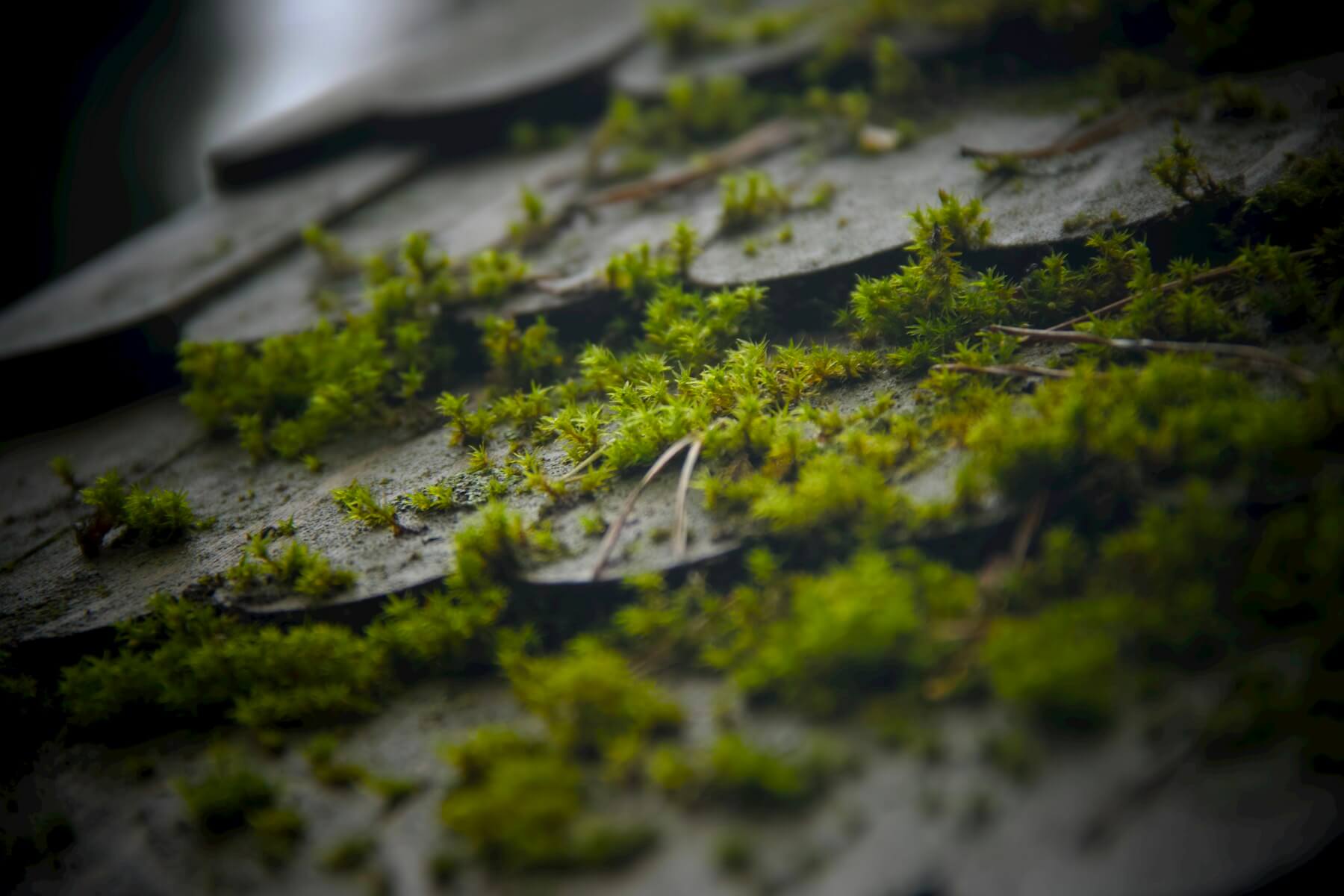
A streaked, stained, or mossy roof can look like a cosmetic issue at first. For Minnesota homeowners, it is often more than that. Organic growth, trapped debris, and moisture can quietly shorten the life of a roof when they are left alone through multiple seasons.
Roof revitalization is the process of cleaning and caring for the roof surface in a way that protects the material instead of punishing it. Done correctly, it can improve the look of the home, reduce moisture problems, and help the roof perform the way it was meant to perform.
The goal is not to make an aging roof look brand new at any cost. The goal is to understand the roof's condition, remove what is working against it, and help homeowners make a practical decision about maintenance, repair, or replacement.
Roof stains are often a warning sign
Dark streaks, green patches, moss, lichen, and piles of tree debris do not all mean the same thing, but they have one important thing in common: they can hold moisture against the roof surface. On a Minnesota home, that moisture can sit through rain, shade, humidity, snow, and freeze-thaw cycles.
When moisture stays on the roof longer than it should, shingles can age faster. Granules can loosen, edges can lift, and small vulnerable areas can become larger concerns. A roof may still have useful life left, but the surface conditions are working against it.
Minnesota weather makes roof maintenance matter
Minnesota roofs deal with a rough rhythm: hot sun, heavy rain, snow loads, ice, wind, hail, and repeated freezing and thawing. Even a well-installed roof needs the chance to dry out, shed water, and stay clear of debris.
A shaded roof plane under trees may stay damp longer than the sunny side of the home. North-facing slopes can show streaking and moss sooner. Valleys, gutters, dormers, and low-slope transitions can collect leaves and grit that keep water in the wrong places.
- Freeze-thaw cycles can turn small moisture problems into bigger ones
- Tree cover can trap leaves, needles, and shade on the roof surface
- Clogged gutters can back water up near roof edges and fascia
- Moss and lichen can make shingles more vulnerable over time
Revitalization is different from blasting a roof clean
A roof should not be treated like a concrete driveway. Aggressive pressure washing can damage shingles, remove granules, force water under laps, and create more problems than it solves.
A better roof revitalization approach starts with inspection and uses a roof-safe cleaning method. The process should be gentle on the roof, targeted to the actual growth or staining, and paired with cleanup of loose debris that is collecting around valleys, edges, vents, and gutters.
What a good roof revitalization visit should include
The most useful roof care starts with looking at the whole roof system, not just the visible staining. A contractor should be checking the surface condition, obvious wear patterns, roof penetrations, valleys, edges, gutters, and places where water may be lingering.
That inspection-first approach matters because some roofs are good candidates for cleaning and maintenance, while others are too worn for revitalization to be the right answer. Homeowners deserve to know the difference before spending money.
- A visual review of shingles, flashing, roof edges, and problem areas
- Removal of loose debris that traps moisture
- A roof-safe treatment for stains, algae, moss, or organic growth
- Recommendations for gutter, ventilation, or repair concerns if they are visible
- Plain-language guidance on whether the roof is a maintenance candidate or replacement candidate
The value is bigger than curb appeal
Curb appeal is real. A cleaner roof can make the whole exterior look better, especially when the home has newer siding, trim, gutters, or landscaping. But the bigger value is usually in protecting the roof from avoidable wear.
If roof revitalization helps a homeowner get more useful life from a roof that is otherwise in serviceable condition, the return can be meaningful. It may also make future inspections easier because the roof surface is cleaner and problem areas are more visible.
For homeowners thinking about selling, a stained roof can make buyers assume the roof is older or in worse condition than it is. Cleaning cannot hide true damage, but it can help the home present more accurately when the roof still has life left.
When cleaning is not enough
Roof revitalization is not a substitute for repair or replacement. If the roof is brittle, leaking, missing shingles in several areas, showing widespread granule loss, or has soft decking concerns, cleaning alone will not solve the underlying problem.
In those situations, the most honest recommendation may be a repair plan or replacement estimate. Cleaning a failing roof can waste money and create false confidence. The right path depends on condition, age, active leaks, and how broadly the roof system is wearing.
- Active leaks or recurring interior stains
- Widespread curled, cracked, or brittle shingles
- Multiple missing or loose shingles
- Soft spots, sagging, or suspected decking damage
- Heavy granule loss across several roof slopes
How often should homeowners think about it?
There is no one schedule that fits every home. A roof surrounded by mature trees may need more frequent attention than a roof with full sun and clean drainage. As a practical habit, homeowners can review the roof after major storms, after heavy leaf drop, and before winter sets in.
The best time to handle roof surface issues is before they become roof system issues. If moss is spreading, gutters are overflowing, or debris is sitting in valleys season after season, it is worth having the roof looked at before the next hard weather cycle.
Questions to ask before hiring someone
The contractor should be able to explain how they will clean the roof, what they will avoid, and what they will do if they find repair concerns. If the answer sounds like simple pressure washing, keep asking questions.
You should leave the conversation knowing whether your roof is a good candidate for revitalization, what the service includes, and what issues may still need attention afterward.
- Will the roof be inspected before cleaning?
- What method will be used, and is it safe for my roofing material?
- Will debris be removed from valleys, edges, and gutters?
- What signs would make you recommend repair or replacement instead?
- Will you explain any concerns found during the visit?
Roof revitalization is not just about washing away stains. It is about helping the roof dry, drain, and protect the home through Minnesota weather.
When the roof is still a good candidate for maintenance, the right service can improve the look of the home and help protect one of its most important systems. When it is not a good candidate, an honest inspection can save homeowners from spending money in the wrong place.