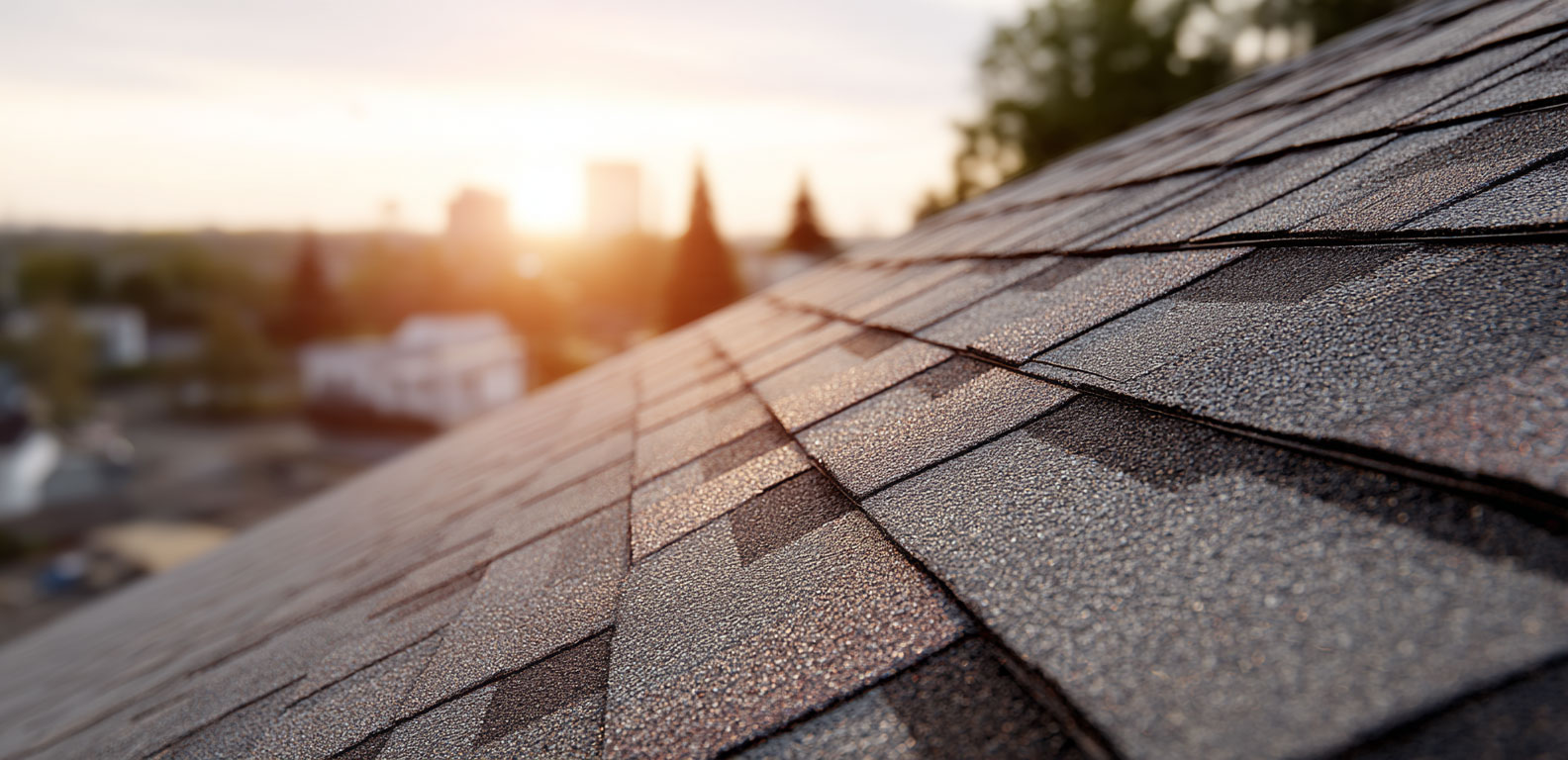
A roof problem rarely arrives at a convenient time. Most homeowners notice a stain on the ceiling, a few shingles in the yard, a drip near a bathroom fan, or a damp spot after a storm and immediately wonder how serious it is.
The hard part is that roofs do not always fail in obvious ways. A small leak can come from one loose flashing detail, or it can be the first visible sign that the roof system is wearing out across several areas. Two homes can have the same ceiling stain and need very different solutions.
This guide is meant to help homeowners understand the difference between a roof that needs a targeted repair and a roof that may be ready for replacement planning. It is not a substitute for an inspection, but it can help you ask better questions and feel more prepared during the estimate.
Start with the pattern of the problem
A single missing shingle after a storm can be a repair. A roof with repeated leaks, widespread granule loss, soft decking, or curling shingles is usually asking for a larger conversation.
The important thing is not just where water shows up inside the home. It is why the roof failed there and whether the surrounding system is still doing its job.
That is why a useful roof estimate should look beyond the obvious leak. The roof surface, flashing, valleys, vents, gutters, fascia, attic ventilation, and decking can all affect whether a repair will hold or whether the same problem is likely to come back.
Common signs a repair may not be enough
Homeowners do not need to diagnose every roof issue, but these signs are worth taking seriously before paying for another small patch.
One of these issues does not automatically mean the roof needs to be replaced. Several of them together usually mean it is time to compare the cost of ongoing repairs against the value of a planned replacement.
- Leaks showing up in more than one area
- Shingles that are brittle, cracked, curled, or missing across multiple slopes
- Dark streaking, moss, or trapped debris that has been sitting for a long time
- Soft spots, sagging, or visible decking concerns
- Flashing, valleys, or roof edges that have failed more than once
Age matters, but condition matters more
Many homeowners ask whether a roof should be replaced based on age alone. Age is helpful context, but condition is what should drive the recommendation. A younger roof with poor installation details can fail early, while an older roof that was installed well and maintained carefully may still have useful life left.
A contractor should be able to explain what they are seeing in plain language. If the roof is aging but stable, a repair or maintenance plan may be reasonable. If the roof is aging and showing broad failure, replacement planning may save money and stress over time.
Look at the roof as a system, not a surface
A roof is more than shingles. It is a system of materials and details that work together to shed water, manage airflow, protect the structure, and move moisture away from vulnerable areas. That includes underlayment, flashing, roof vents, pipe boots, drip edge, valleys, decking, fascia, and gutters.
When a leak appears, the visible damage may be several feet away from the actual failure point. Water can travel along framing, underlayment, or insulation before it finally stains a ceiling. That is why a quick patch over the visible area does not always solve the problem.
A better inspection looks for the source and the pattern. If a pipe boot is cracked but the surrounding shingles and decking are sound, a repair may be appropriate. If the roof has repeated failures in valleys, edges, and penetrations, the issue may be broader than one detail.
Minnesota weather makes small roof issues bigger
Minnesota homes deal with heavy rain, snow, freeze-thaw cycles, wind, hail, ice buildup, and long stretches of moisture. A roof that might limp along in a milder climate can deteriorate faster when water repeatedly freezes, melts, and moves through the same weak spots.
Ice and snow can also hide roof problems until the damage has already moved inside. A small flashing issue, poor attic ventilation, or a vulnerable roof edge may show up as staining, peeling paint, damp insulation, or recurring winter leaks.
For homeowners, this means timing matters. If the roof is already showing signs of failure in the fall, waiting through another winter can increase the risk of interior damage. A repair may still be enough, but the decision should be based on condition and season, not hope.
When a targeted repair still makes sense
Repairs can be the right call when the roof is generally in good condition and the problem is isolated. Examples include storm damage in one area, a loose flashing detail, a small puncture, or a localized gutter or fascia issue affecting the roof edge.
A good estimate should explain what can be repaired, what risk remains, and whether the repair is likely to buy meaningful time. The answer should feel practical, not like pressure to turn every small problem into a full replacement.
The cost question is really a timing question
Most homeowners do not want to replace a roof earlier than necessary, and that is reasonable. The question is whether repair spending is protecting the home or simply delaying a replacement that is already close.
A repair that buys several more useful years can be a smart decision. A repair that only addresses one symptom on a failing roof may create a cycle of service calls, ceiling repairs, and stress every time the weather changes.
This is where a clear estimate helps. It should separate immediate needs from long-term planning. Homeowners should understand whether they are making a small maintenance decision, a short-term stabilization decision, or a replacement decision.
When replacement becomes the cleaner option
Replacement becomes easier to justify when the roof has widespread wear, repeated leaks, or multiple weak points that are likely to fail one after another. At that point, repair money can start disappearing into temporary fixes without improving the overall roof system.
A planned replacement also gives the homeowner a chance to address the roof as a complete assembly. That can include better underlayment, improved flashing details, ventilation review, cleaner edges, new drip edge, and stronger coordination with gutters or fascia.
What a replacement conversation should include
If replacement is on the table, the conversation should be specific. The homeowner should know what materials are being recommended, how the old roof will be removed, what happens if damaged decking is found, and how the home will be protected during the work.
Ventilation should also be part of the discussion. Poor ventilation can shorten roof life and contribute to moisture problems. If a roof is being replaced, it is a natural time to review intake, exhaust, and attic conditions.
Cleanup and workmanship matter too. Roof replacement is disruptive by nature, but the process should still be organized. A homeowner should know how landscaping will be protected, how debris will be handled, and what the final walkthrough includes.
What to ask during the estimate
Ask what caused the issue, how much of the roof was inspected, and whether the recommendation is based on age, condition, or active failure. If replacement is recommended, ask what parts of the system are included, such as decking review, underlayment, flashing, ventilation, drip edge, cleanup, and warranty details.
The goal is to leave the estimate with a clear next step. That might be a small repair, a bigger repair with known limitations, or a replacement plan that can be scheduled before the roof creates larger damage inside the home.
- What is causing the leak or visible damage?
- Is the issue isolated or part of a broader pattern?
- How long should the recommended repair reasonably last?
- What would be included in a replacement scope?
- How will cleanup, protection, and workmanship warranty be handled?
A practical way to decide
The best decision is usually the one that matches the roof's actual condition and the homeowner's timeline. If the roof is mostly sound and the problem is isolated, repair it properly and keep an eye on it. If the roof is failing in several areas, replacement planning is often the more responsible path.
What homeowners should avoid is paying for repairs without understanding the larger picture. A good contractor should be willing to explain what they see, show where the risk is, and help the homeowner make a decision that fits the home rather than pushing the biggest possible scope.
The right roof decision should feel understandable. Whether the answer is a repair, a replacement, or a plan to monitor the roof for a little longer, you should know why that recommendation fits your home.
When the estimate explains the condition, the risks, the materials, and the next step in plain language, the project becomes easier to trust.