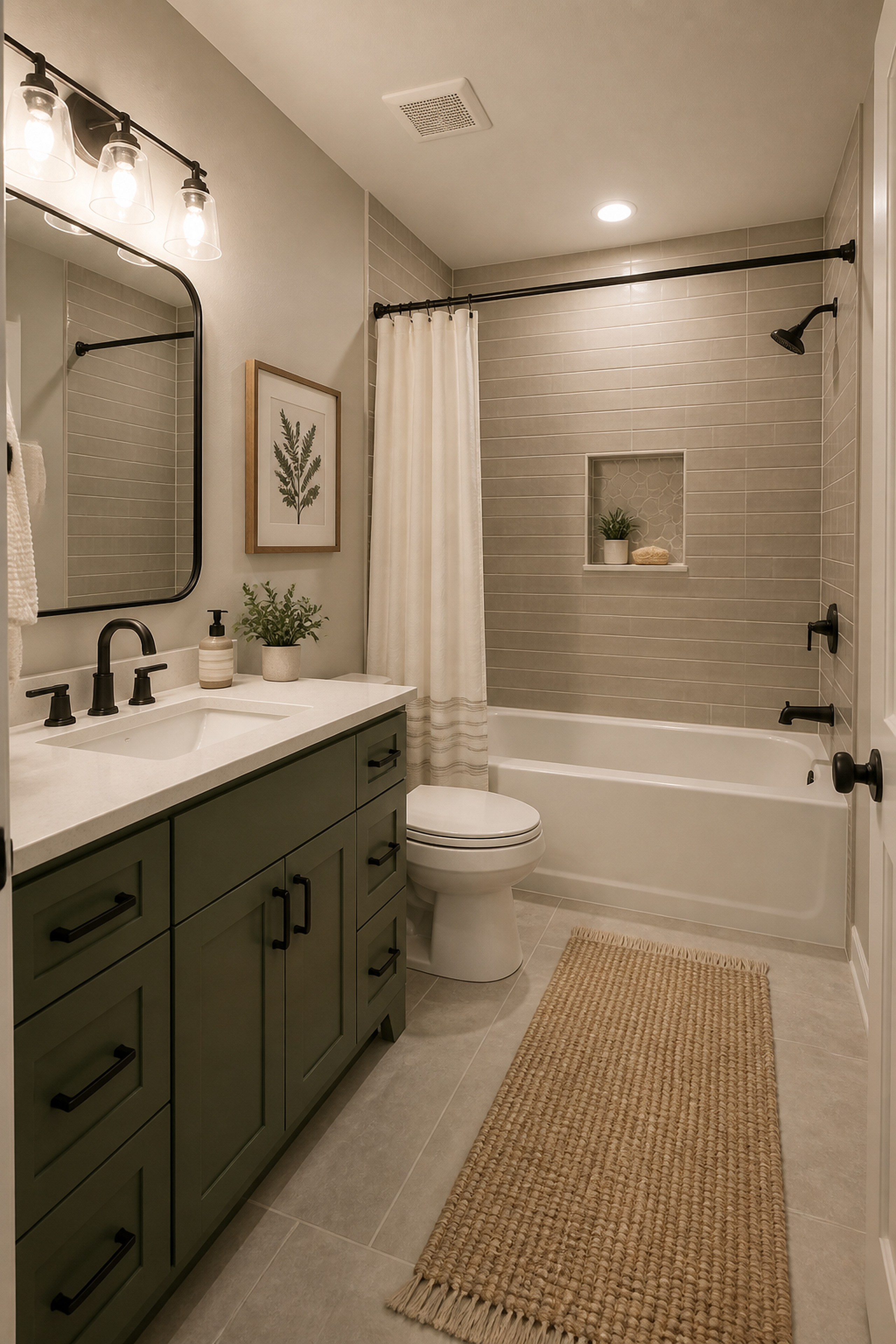
A bathroom remodel has to do more than look better. It has to work better during rushed mornings, quiet evenings, cleaning days, guest visits, and everything in between.
That is why comfort is such an important word in bathroom planning. Comfort can mean easier shower access, brighter lighting, warmer finishes, better storage, less clutter, simpler cleaning, or a room that finally feels calm instead of frustrating.
This guide looks at the choices that make a bathroom easier to live with every day. Some are design choices, some are practical construction choices, and many are small details that homeowners only notice after the project is complete.
Comfort starts with how the room is used
A bathroom remodel does not have to be oversized to make daily life better. The biggest improvements often come from fixing the small frustrations homeowners deal with every morning and evening.
Before choosing tile or fixtures, it helps to name what is not working: poor lighting, cramped movement, hard-to-clean surfaces, weak ventilation, limited storage, or a shower that no longer fits the way the household uses the room.
That conversation keeps the remodel grounded. A beautiful bathroom still needs to drain properly, ventilate well, clean easily, store daily items, and feel comfortable for the people who use it.
Updates that make a practical difference
The right scope depends on the room, but these choices tend to have an immediate effect on comfort and usability.
Even when the footprint stays the same, thoughtful choices can make the bathroom feel calmer and easier to live with.
- Better lighting at the mirror, shower, and general room level
- A shower layout that is easier to enter, clean, and maintain
- Storage that keeps daily items close without cluttering the counter
- Durable surfaces that handle water, cleaning, and regular use
- Ventilation and moisture planning to protect the finished work
Begin with the problems, not the products
It is easy to start a bathroom remodel by looking at tile, faucets, vanities, and inspiration photos. Those choices matter, but they should come after the homeowner understands what the room needs to solve.
A bathroom that feels cramped may need a better layout or a different shower entry. A bathroom that feels messy may need more functional storage. A bathroom that feels cold or dim may need better lighting, fan placement, or finish choices that brighten the room.
When the project starts with real problems, the finished bathroom is more likely to feel better in daily use, not just better in photos.
Plan the shower around real daily use
The shower is often the center of the remodel. Size, entry style, controls, shelving, tile, glass, and waterproofing all affect how the room works after the project is complete.
A good shower plan should consider who uses the bathroom, whether easier entry is important, where products will go, how the shower will be cleaned, and how water will be managed behind the finished surfaces.
- Shower entry height and door or curtain preference
- Control placement that is easy to reach
- Built-in niches or shelves for daily products
- Tile, panel, or surface choices based on cleaning expectations
- Waterproofing and ventilation details
Choose materials for maintenance as well as style
Bathroom finishes live in a demanding environment. They deal with water, steam, cleaning products, personal care products, and daily use. A material that looks beautiful but is difficult to maintain may not be the right fit for every household.
Tile size, grout lines, shower glass, vanity tops, flooring, and wall finishes all affect cleaning. Some homeowners are happy to maintain more detailed finishes. Others want surfaces that are simple, durable, and forgiving.
Neither choice is wrong. The important thing is to be honest about how the bathroom will be used and cleaned after the remodel.
Do not overlook the details you touch every day
Faucets, shower controls, towel locations, niches, shelves, door swings, and outlet placement all shape how the bathroom feels in real life. These details are easy to rush, but they are often what homeowners appreciate most after the remodel is complete.
Storage deserves the same attention. A vanity with drawers, a recessed medicine cabinet, or a better linen solution can reduce countertop clutter and make the room easier to reset at the end of the day.
Storage should be designed around routines
Storage is often treated as a secondary detail, but it can change how a bathroom feels every day. A beautiful vanity does not help much if the items people use most often still end up scattered across the counter.
Think through where towels, hair tools, medicine, cleaning supplies, extra paper products, and shower items will go. The best storage plan is not always the largest one. It is the one that puts the right things in the right places.
For smaller bathrooms, this may mean drawers instead of doors, a recessed cabinet, shower niches, or vertical storage that does not crowd the room.
Lighting and ventilation are comfort features
Lighting is not just decorative. Bathrooms need useful task lighting at the mirror, enough general light for cleaning, and thoughtful placement so the room does not feel harsh or shadowy.
Ventilation is just as important. Moisture control protects paint, cabinetry, trim, and the wall assembly behind the finished surfaces. If a bathroom has felt damp, musty, or slow to dry, the remodel should address that directly.
Accessibility can be subtle
Homeowners do not need to be planning for a medical need to care about easier access. A lower shower curb, better lighting, a handheld shower, blocking for future grab bars, or more comfortable clearances can make the room easier to use without making it feel clinical.
These choices are especially worth discussing if the homeowner plans to stay in the home long term. Small decisions during a remodel can make the bathroom more flexible for guests, family members, and future needs.
Match the project size to the goal
Some bathrooms need a full redesign. Others need a focused refresh with better fixtures, cleaner finishes, improved storage, and a more durable shower. A good estimate should help separate must-haves from nice-to-haves so the project stays aligned with the homeowner's priorities.
Before approving the scope, decide what the remodel needs to solve first. Comfort, easier cleaning, safer access, better storage, and a cleaner look are all valid goals, but they can lead to different project sizes.
- Name the daily frustrations the remodel should solve
- Separate must-have changes from cosmetic preferences
- Confirm how moisture protection will be handled
- Review fixture placement before work begins
- Choose finishes that fit the cleaning and maintenance you want
A bathroom should feel calm after the work is done
The best bathroom remodels are not only about new finishes. They reduce daily friction. The room is easier to move through, easier to clean, easier to light, easier to ventilate, and easier to keep organized.
That kind of result comes from practical planning. When the estimate connects design choices to real routines, the homeowner can make decisions with more confidence and fewer surprises.
The best bathroom remodel is the one that makes the room easier to use long after the excitement of new finishes wears off.
When layout, storage, lighting, surfaces, ventilation, and daily routines are planned together, the finished bathroom can feel cleaner, calmer, and more comfortable every day.